
 English
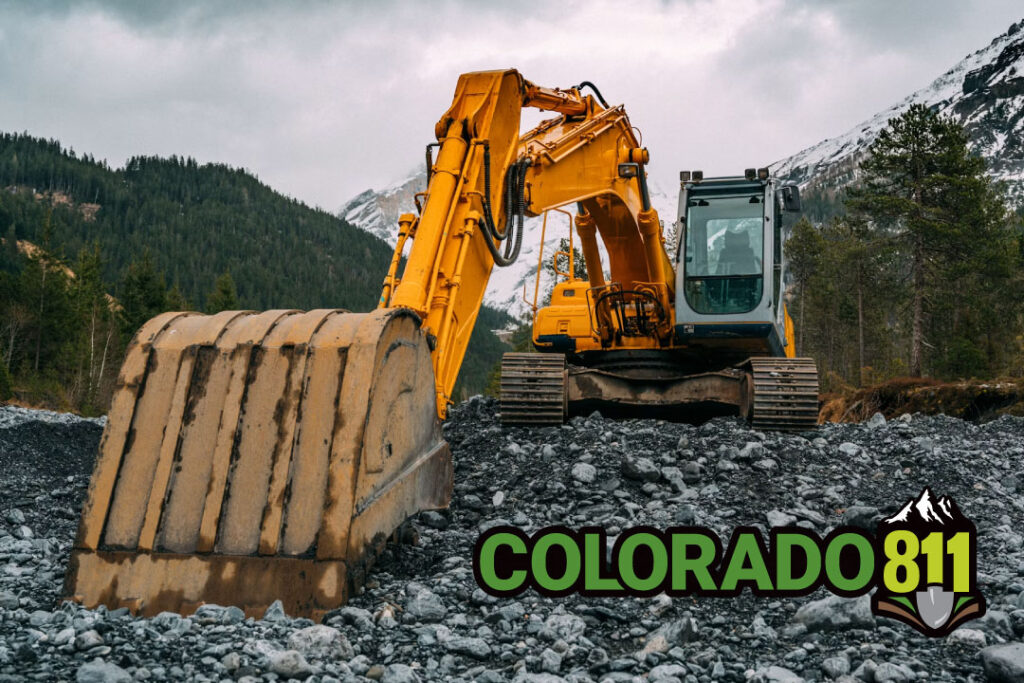
At Holy Cross Energy, we want every member, neighbor, and contractor working in our territory to know one simple rule: call 811 before you dig.
It’s free. It’s fast. And by Colorado law, it’s required at least three business days before any digging project, big or small.
One call to 811 (or a quick request at colorado811.org) gets underground public utility lines (electric, gas, water, sewer, and more) marked so you know what’s below before the first shovel hits the ground.
Hitting a buried power line doesn’t just mean an expensive repair. It can mean outages for your neighbors, a dangerous situation for you, and real risk to the crews who have to respond. A quick call protects all of that.
Planning a garden bed, a new fence, a deck footing, or any project that involves breaking ground? Here’s what to do:
One important note: 811 only locates public utility lines. Private lines you’ve installed yourself, like a line to a detached garage or a buried irrigation system, won’t show up in a locate request, so keep those in mind, too.
Find a private locator for a secondary line >
A small project can still hit a big line. Whether you’re planting a tree or building a patio, take the three days. It’s a small pause that keeps you, your family, and your community safe.
You know the drill, and we’re glad to have partners in the field who take damage prevention seriously. A few reminders to keep every job running smoothly and safely:
Damage prevention is a shared responsibility, and we appreciate the contractors who treat it that way. A few extra minutes of planning protects your crew, keeps power flowing for our members, and keeps everyone’s project on schedule.

Secondary service lines run from the transformer (green box) to your home or business. 811 does not locate HCE underground secondary power lines. Contact a local private locator to make sure all underground lines are marked before you dig. As a member, you are responsible for maintenance and repair of secondary service lines.